
Whoa, interesting shift. I used to think explorers were simple utilities for checking balances. They do that, and they also reveal liquidity, bot activity, and contract behavior. At a glance you can see a token transfer, but with the right filters and a bit of patience you can trace front-running, analyze fee spikes, and even identify likely whale moves across clustered wallets. I’m biased, but Solana’s tooling matured fast and changed how I investigate transactions.
Seriously, it’s wild. My instinct said explorers were just for devs, yet traders use them too. Transaction metadata tells a story when you read signatures, instructions, and inner calls. Initially I thought transaction tracing on Solana would be straightforward because it’s a single account model and high throughput chain, but then I realized concurrency, program-derived addresses, and cross-program invocations complicate attribution in subtle ways that you only spot after digging through many blocks. So I build workflows that combine program filters, memcmp searches, and manual inspection.
Hmm… ok. First, grab a signature and follow its lifecycle across confirm and final statuses. Check logs for inner instructions, pre/post balances, and which program accounts were written. When you correlate those changes with on-chain order books, serum events, or moves in token accounts you can often infer whether a trade was passive liquidity or an aggressive sweep, though it’s not bulletproof and you must treat inferences as hypotheses rather than hard facts. I learned that the right explorer makes this way faster.
Picking the right explorer
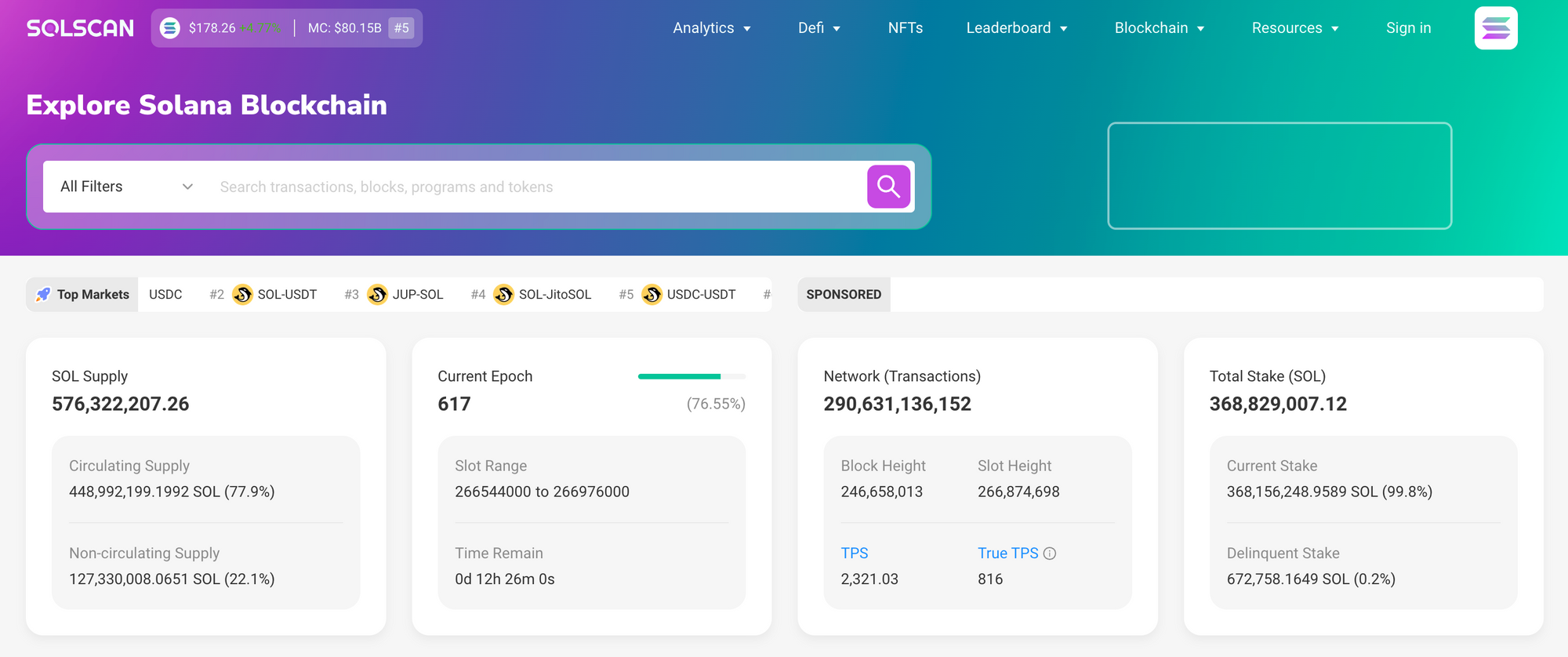
Solscan is one such explorer that blends clean transaction views with analytics and token dashboards, and over time I’ve come to rely on the solscan explorer official site to jump from a suspicious signature to a wallet cluster or token mint page with minimal friction.
Here’s the thing. Tools differ in UI, indexing speed, and how easily they expose program schemas. You can pivot quickly from a raw instruction to decoded events, which saves hours. Oh, and by the way… some explorers surface memcmp filters and allow RPC calls. These little conveniences change a slow night of spelunking into a focused 20-minute check.
Really, surprisingly useful. If you want hands-on, open a transaction then click program logs and inspect events. Sometimes I’ll export a CSV of token transfers and run quick statistics, other times I cluster signer addresses to spot shared ownership patterns, and occasionally I drop into a local validator to replay transactions that look nondeterministic across RPC nodes. Keep in mind Solana’s speed; some tools lag on recent slots, so cross-check confirmations. I’m not 100% sure about privacy, but clustered wallets and PDAs can leak attribution.
FAQ
What should I look for first in a suspicious transaction?
Start with the signature, then inspect program logs and inner instructions; look at pre/post balances and the sequence of writes—these clues quickly narrow down intent.
How reliable are on-chain inferences?
They help form hypotheses, not certainties. Corroborate with multiple explorers, RPC nodes, and if possible off-chain data such as DEX orderbooks or CEX withdrawals.
Any quick tips for newbies?
Use memcmp filters to find relevant instructions, save common queries as templates, and don’t be afraid to pause and stare at logs—somethin’ weird often sticks out after a minute.
