
Whoa! I remember the first time I tried to move assets between two L2s and everything felt like duct tape and prayer. My instinct said it would be fast and clean. It wasn’t. Transactions failed, approvals piled up, and I spent more time toggling networks than actually trading. Seriously? Yes. That messy experience is exactly why smart dApp integration matters more than ever for DeFi users who expect—rightfully—a seamless, secure flow across chains.
Here’s the thing. DeFi’s promise is composability: atomic trades, yield stacking, cross-chain strategies that used to be sci-fi. But the UX often betrays that promise. Apps assume users will switch networks, sign the same approval repeatedly, and tolerate opaque gas heuristics. That’s a huge friction point. Initially I thought better wallet UX alone would fix it, but then I realized the problem lives in three places at once: dApp integration patterns, protocol-level assumptions, and the wallet’s capability to simulate and guard transactions.
On one hand, dApps have gotten clever. They call smart contracts in ways that optimize for gas or composability. On the other hand, wallets are still playing catch-up with signature types, meta-transactions, and cross-chain messaging. Though actually—wait—there’s a middle turf where wallets can do the heavy lifting: simulate transactions, detect risky approvals, and orchestrate multi-step flows so users only sign when the outcome is clear. That middle turf is where good DeFi UX is made.
What real dApp integration should feel like (and how a wallet helps)
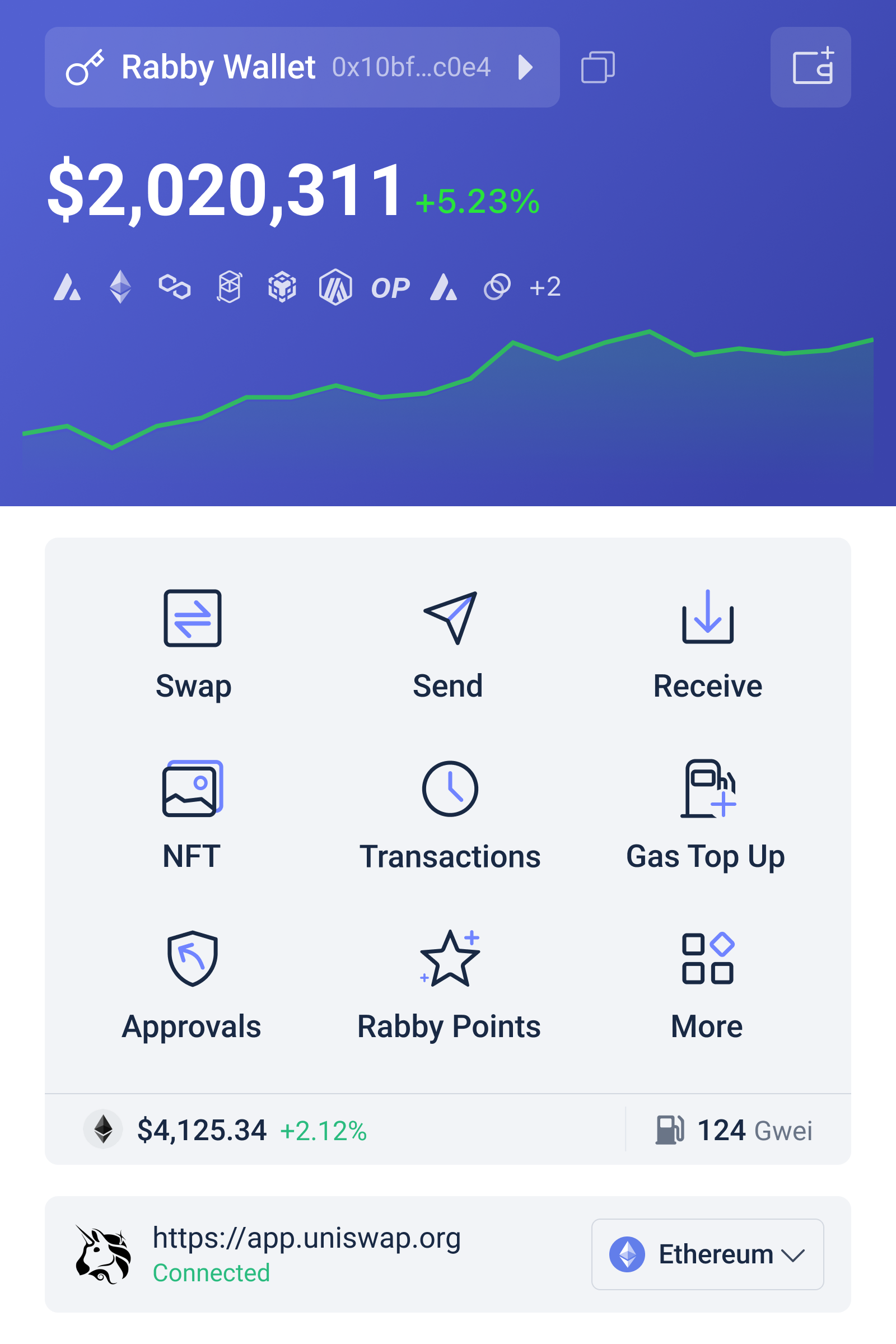
Check this out—when a dApp integrates thoughtfully, the wallet becomes an intelligent partner, not a dumb signer. For users that means fewer surprise approvals, smarter gas suggestions, and a preview of on-chain results before a single signature is broadcast. I found that using a wallet that simulates complex interactions reduces failed TXs dramatically. One such approach is embodied by newer multi-chain wallets that offer transaction simulation and granular approval controls, like https://rabby-wallet.at/, which lets users inspect what a contract call will actually do on-chain.
My gut feeling is that simulation is underrated. Hmm… simulation helps in two big ways: it prevents wasted gas, and it reveals hidden permission grants. For instance, many dApps still request blanket ERC-20 approvals. A wallet that flags “infinite approval” and offers a safer, limited alternative avoids exploitable states. I’m biased, but that part bugs me—very very important to get right. (oh, and by the way…) wallets that layer in policy rules and heuristics can block obviously malicious contract calls before they reach the signer.
Another layer is network orchestration. Some DeFi flows span chains — swap on L1, bridge to L2, provide liquidity on an L2 AMM, stake in a protocol. Too many tools force users to glue these steps manually. A wallet that understands cross-chain context, can batch steps, or orchestrate them as a guided flow removes cognitive load. Initially I assumed bridges would abstract this, but bridges vary wildly and often require manual confirmations that trip up users.
Security and composability are not opposite aims. They must be designed together. A wallet that simulates the end state can detect reentrancy attempts, sandwich vectors, or unexpected token drains. It can also surface gas strategies: “If you cancel now, this is your likely window and cost.” Those are not just nice-to-haves. For active DeFi users building strategies across protocols, they’re essential.
Take multi-chain token management. You want to know your cross-chain exposure at a glance. You want approvals scoped correctly. You want a single place to revoke allowances. Sounds simple, but it’s not—unless the wallet and dApps cooperate. Good integrations expose the intent of contract calls in human terms. Bad ones hide it in ABI gibberish. Users deserve better readability.
There are also developer-side wins. dApp teams that implement wallet-aware UX (gas estimation hooks, meta-tx fallbacks, and clear intent descriptions) see fewer support tickets and higher trust metrics. On the flip side, wallets that expose robust APIs for simulation and signing enable richer dApp experiences. It’s a two-way street, though, and requires shared conventions across ecosystems.
What about wallet architecture? Lightweight extensions vs. full-featured desktop wallets is a long-running debate. I lean toward modular wallets that let power users opt into deeper features—transaction simulation, nonce management, custom RPC orchestration—without overwhelming newbies. My experience: people either want simple one-click trades or finely tuned control. Very rarely is one UX good for both.
Practical checklist for dApp teams and wallet devs:
- Expose explicit intent strings for signature requests. No opaque data blobs.
- Support simulation endpoints so wallets can run read-only calls and show results.
- Limit default approvals; offer one-tap scoped approvals instead of infinite allowances.
- Provide meta-tx or gas-pay fallbacks where feasible to simplify UX on new chains.
- Integrate revocation and allowance dashboards into the wallet UI.
Okay, so check this out—users win when these pieces align. Developers win too because better UX reduces churn. Protocols benefit because their liquidity stays accessible. On the other hand, coordination is messy. Standards evolve slowly, and new chains introduce new primitives. So, expect bumps. I’m not 100% sure on timelines, but we’re seeing tangible momentum.
FAQ
How does transaction simulation reduce risk?
Simulation runs the contract calls locally (or via an RPC that supports tracing) before broadcasting. It shows the expected state changes, potential failures, and gas costs. That preview can catch logic errors, reverts, or unexpected token transfers so the user can decide before signing.
Will multi-chain wallets make bridges obsolete?
No. Bridges still move assets between networks. But multi-chain wallets can orchestrate those bridge steps more safely and with less manual work, and can abstract common patterns so users don’t need to orchestrate each step themselves.
What should I look for in a DeFi wallet?
Look for simulation, granular approval controls, cross-chain orchestration, and clear UI language that describes contract intent. Bonus points for built-in allowance revocation and developer-friendly integration hooks.
